🔹 What a Blockade Means for Inflation and Income
Gas at $4.12, sentiment at a record low, and what it means for purchasing power.
Good afternoon,
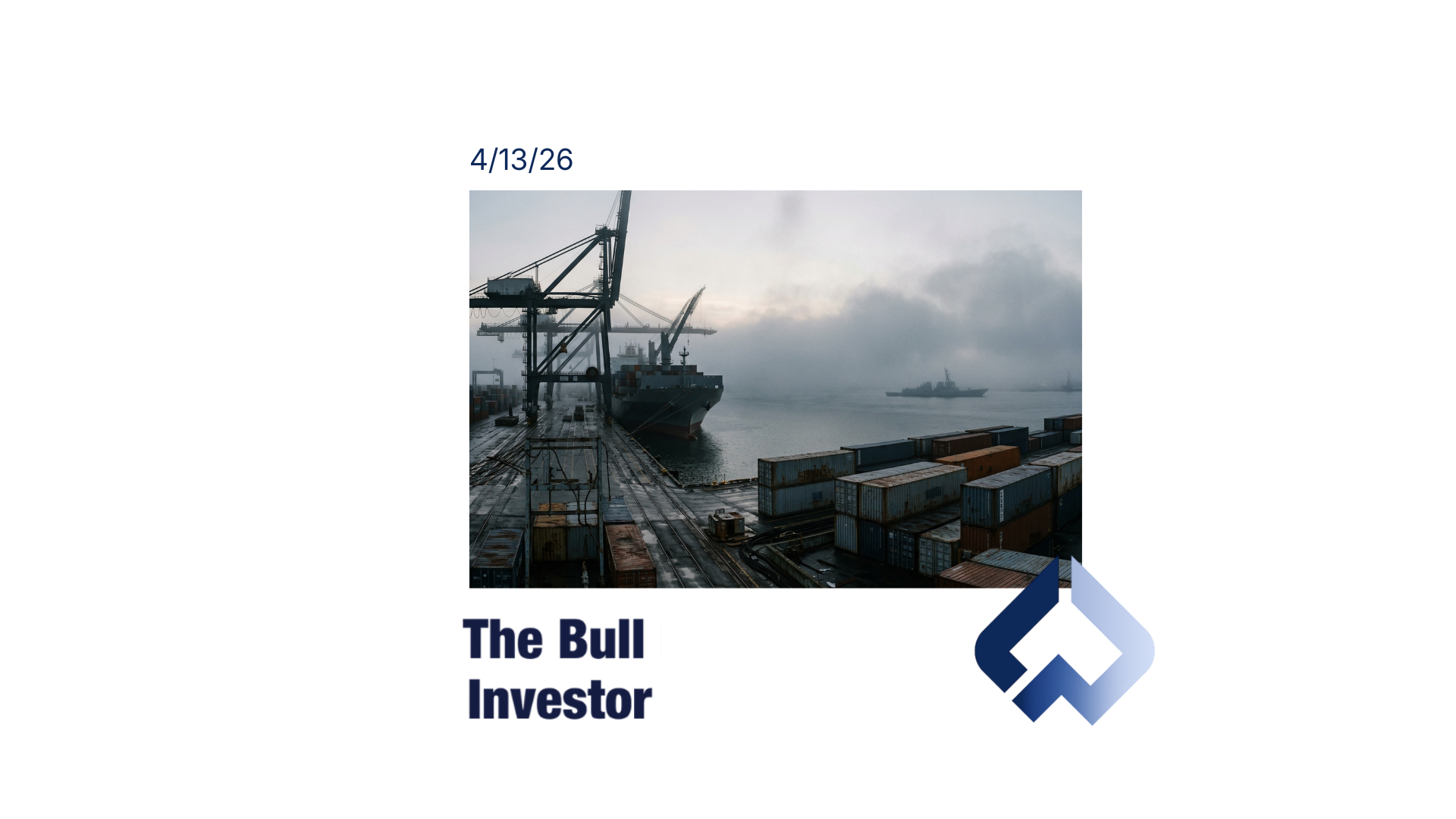
The Islamabad talks collapsed. Trump ordered a naval blockade of Iran's ports. Oil jumped past $104, futures dropped, and the week's first bank earnings land in a few hours. For anyone whose retirement plan depends on stable prices and steady income, this is a week to pay close attention.
Getting started.

The Pulse

The 10-year Treasury yield edged to ±4.32%. The dollar strengthened. Risk appetite is pulling back across the board.
Markets
- Trump ordered a naval blockade of vessels entering and exiting Iranian ports, effective 10 a.m. ET today, after 21 hours of negotiations in Islamabad ended without a deal. U.S. Central Command clarified that the blockade targets Iranian port traffic specifically and will not impede vessels transiting the strait to and from non-Iranian ports.
- Trump is also reportedly considering limited military strikes on Iran to break the stalemate, according to the Wall Street Journal, citing officials familiar with the matter. The prospect of resumed strikes adds a second layer of escalation risk on top of the blockade.
- Consumer sentiment collapsed to a record low of 47.6 in the University of Michigan's April reading, the lowest ever recorded. Year-ahead inflation expectations spiked to 4.8% from 3.8%. Nearly all responses were collected before the ceasefire.
- March CPI hit 3.3%, up from 2.4% in February. Gasoline surged 21.2% in a single month, the largest on record. Core CPI rose just 0.2% monthly and 2.6% annually, both below expectations.
Headline inflation is accelerating, but it is almost entirely energy-driven. Core prices remain contained. The Fed, still at 3.50–3.75%, signaled one possible cut this year at its March meeting. With oil back above $100 and inflation expectations surging, even that single cut now looks uncertain. Meanwhile, France and the UK announced a separate multinational naval mission to restore Hormuz navigation, a signal that this is no longer a bilateral standoff.
Earnings
- TSMC posted record Q1 revenue of $35.6 billion, up 35% year-over-year on surging AI chip demand, beating estimates; full results due Wednesday.

This week's lineup:
- Today: Goldman Sachs
- Tuesday: JPMorgan, Citigroup, Wells Fargo, BlackRock
- Wednesday: Morgan Stanley, Bank of America
- Thursday: Netflix, PepsiCo
Gold & Silver Moves
Gold traded near $4,724 per ounce, down roughly 0.6%. Earlier in the session it fell as much as 2.2%, dipping below $4,650 before recovering. (BBG)
The decline seems counterintuitive. A naval blockade, failed peace talks, and surging oil would normally push investors into gold. But the Hormuz escalation is lifting inflation expectations, which pushes rate-cut odds lower. Higher-for-longer rate expectations are strengthening the dollar and lifting yields, both headwinds for gold.
Gold is now roughly 15% below its January record of $5,594. Leveraged and momentum-driven traders who rode last year's rally are exiting. Central bank buying, the structural bid beneath the market, has not reversed. But in the short term, rate expectations are winning the tug-of-war against geopolitical fear.
Silver dropped around 2% to approximately $74 per ounce. The steeper decline reflects silver's dual nature as both a precious and industrial metal. When growth fears surface alongside inflation, silver tends to underperform gold.

The Gold / Silver ratio sits near 63.8. This remains below the long-term historical average of roughly 70 to 80. A lower ratio generally means silver is holding its value well relative to gold.
But today's divergence is worth watching. Silver's sharper selloff nudged the ratio higher, signaling a shift toward caution. When the ratio rises, it typically reflects growing preference for gold's monetary safety over silver's industrial utility. In past energy shocks and risk-off episodes, this ratio has climbed toward 80 or higher as investors retreat to core safe-haven positioning.
At 63.8, the ratio is not flashing distress. It suggests the market still sees a path to normalization. But if the Hormuz situation drags on and oil stays above $100, expect the ratio to climb further as industrial demand expectations soften and gold's monetary role reasserts itself. For metals investors, a rising ratio often opens a relative-value window in silver, but only once the macro picture stabilizes.
The takeaway:
In a week where gas hits $4.12, sentiment hits a record low, and oil jumps 8% overnight, gold and silver remain relevant instruments for long-term purchasing power, even when the short-term price action feels contradictory.
The Deal Room
IPO / Listings
- Blackstone filed for an IPO of Blackstone Digital Infrastructure Trust (BXDC), a data center REIT targeting hyperscaler-leased properties with yields of 5.75–7%. Goldman Sachs, Citigroup, and Morgan Stanley are leading the deal.
- SpaceX outlined plans for its IPO roadshow starting the week of June 8, targeting a $1.75 trillion valuation and a $75 billion raise, which would be the largest public offering in history.
Distress / Redemptions
- Goldman Sachs' non-traded BDC narrowly avoided triggering redemption caps in Q1, with requests landing at exactly 4.999% of outstanding shares, just below the 5% threshold. Private credit stress continues to simmer beneath the surface.
Retirement Lens
Oil above $100 hits retirement portfolios in two ways. It pushes up the cost of everything from groceries to flights. And it makes the Fed less likely to cut rates, which keeps pressure on bond prices and borrowing costs.
For those living on fixed income or drawing down savings, weeks like this are a reminder of why inflation-linked instruments exist. Products designed to track inflation, like TIPS or I-bonds, were built for exactly these conditions. They are not exciting. They are functional. That is the point.

Headline Hunt
- U.S. intelligence suggests China is planning to provide new air-defense weaponry to Iran in the coming weeks.
- Iran's Revolutionary Guard warned that no port in the Persian Gulf will be safe if Iranian ports are threatened.
- The Asian Development Bank cut its Asia-Pacific growth forecast to 5.1%, citing the Middle East conflict and trade uncertainty.
- Amazon will begin levying a 3.5% fuel and logistics surcharge on U.S. and Canada third-party sellers starting April 17.
- The U.S. Justice Department threatened to prosecute anyone who purchases sanctioned Iranian oil.
- National average gasoline price reached $4.12 per gallon, up $1.14 since the war began on February 28.
- Airlines including American, Delta, JetBlue, and United have raised checked baggage fees to offset higher fuel costs.
- Three supertankers passed through the Strait of Hormuz on Saturday, but daily traffic remains far below the pre-war level of more than 100 vessels per day.
- The SpaceX ticker symbol "SPCX" was freed after Tuttle Capital changed its fund ticker, fueling speculation ahead of the June listing.
Recommended Reading
- "What to Watch as Big Banks Start Reporting Q1 Earnings". Morningstar's preview of the bank lineup, why Bank of America looks undervalued at a 15% discount to fair value, and what NII guidance will tell us about the rate environment ahead.